The Beginner’s Guide to Feeding Houseplants: What, When, and How Much
Most houseplant deaths get blamed on overwatering, but underfeeding quietly claims just as many victims. A plant sitting in the same pot of compost for two years, never receiving a drop of fertiliser, is essentially running on empty. It might survive, but it won’t thrive — the leaves will lose their lustre, growth will stall, and it’ll become increasingly vulnerable to pests and disease.
The good news is that feeding houseplants isn’t complicated once you understand what’s actually going on beneath the surface. This guide covers everything a beginner needs to know: what nutrients plants need, which products to buy, when to start and stop feeding, and how to avoid the mistakes that catch most people out.
Why Houseplants Need Feeding in the First Place
Plants growing outdoors can extend their roots metres in every direction, constantly accessing fresh nutrients from the surrounding soil. A houseplant in a pot has no such luxury. The compost it sits in contains a finite amount of nutrients, and most potting mixes are only formulated to sustain a plant for roughly six to eight weeks after potting. After that, you’re the supplier.
Fertiliser doesn’t replace water or light — it’s more like a vitamin supplement. It won’t rescue a plant that’s in the wrong spot or being drowned, but for a plant in otherwise good conditions, regular feeding makes a visible difference within weeks.
Understanding Plant Nutrients: The Basics
You’ll see three numbers on almost every fertiliser product — something like 7-3-6 or 20-20-20. These refer to the percentage of nitrogen (N), phosphorus (P), and potassium (K) in the formula, always listed in that order. These are the three macronutrients that plants need in the largest quantities.
Nitrogen (N)
Nitrogen drives leafy, green growth. It’s the nutrient most responsible for lush foliage, which is why high-nitrogen feeds are recommended for plants you’re growing primarily for their leaves — think monstera, pothos, ferns, and calatheas. If a plant’s older leaves are turning pale yellow and growth has slowed to a crawl, low nitrogen is often the culprit.
Phosphorus (P)
Phosphorus supports root development and flowering. It matters most when you’re trying to encourage blooms or when you’ve just repotted a plant and want it to establish quickly. Orchid fertilisers tend to be higher in phosphorus for exactly this reason.
Potassium (K)
Potassium is the plant’s all-round health booster. It supports the movement of water and nutrients through the plant, strengthens cell walls, and improves resistance to disease and temperature stress. A balanced potassium level helps plants cope with the draughts and central heating fluctuations that are very much a feature of British homes in winter.
Secondary Nutrients and Trace Elements
Beyond the NPK trio, plants also need smaller quantities of calcium, magnesium, and sulphur, plus trace elements like iron, manganese, and zinc. Most quality all-purpose fertilisers include these, which is one reason it’s worth spending slightly more on a reputable brand rather than reaching for the cheapest option on the shelf.
Magnesium deficiency is particularly common in UK homes, often showing up as yellowing between the leaf veins while the veins themselves stay green. If you spot this, a diluted Epsom salt solution (one teaspoon per litre of water) can help as a temporary fix, though addressing the underlying feeding routine is the longer-term solution.
Types of Houseplant Fertiliser
Walk into any garden centre — Dobbies, Wyevale, or your local independent — and you’ll find fertilisers in several different forms. Each has its place.
Liquid Fertilisers
These are the most popular choice for houseplants and the easiest to control. You dilute a small amount in water and apply it during your regular watering routine. The nutrients become available to the plant almost immediately, and you can adjust the frequency and strength as needed throughout the season.
Miracle-Gro All Purpose Liquid Plant Food is widely available and costs around £6–£8 for 500ml, which makes up a substantial quantity of diluted feed. Baby Bio, a British staple since the 1950s, remains a reliable and affordable option at roughly £3–£5 for 175ml. For those preferring organic options, Westland Organic Liquid Plant Feed and Plantworks’ BioGrow liquid seaweed are worth looking at, typically priced between £7–£12.
Slow-Release Granules and Sticks
These are mixed into compost or pushed into the soil, where they gradually break down and release nutrients over weeks or months. They’re low-effort and useful for plants you don’t want to think about too often. The downside is that you have less control — if you’ve overdone it, you can’t easily pull the nutrients back out.
Osmocote is a well-regarded slow-release product that lasts around six months. Fertiliser sticks, like those made by Jobe’s or Westland, are convenient but tend to deliver nutrients unevenly, concentrating them around the stick rather than spreading them through the root zone.
Granular Fertilisers
Less commonly used for houseplants, granular fertilisers are sprinkled onto the compost surface and watered in. They work reasonably well but can be fiddly to apply accurately in a small pot, and there’s a risk of burning roots if over-applied.
Foliar Sprays
Some fertilisers can be diluted and applied directly to the leaves, which the plant absorbs through tiny pores called stomata. This method is particularly effective for correcting specific deficiencies quickly — an iron deficiency, for instance, can be addressed faster through foliar feeding than through the soil. It’s also useful for plants with very fine root systems. That said, most houseplant owners won’t need to bother with this regularly.
Which Fertiliser Should You Buy?
For the majority of houseplants, a balanced all-purpose liquid fertiliser is all you need. Something with roughly equal NPK ratios, or one slightly higher in nitrogen, will suit a wide range of foliage plants and keep things simple when you’re starting out.
There are a few exceptions worth knowing about:
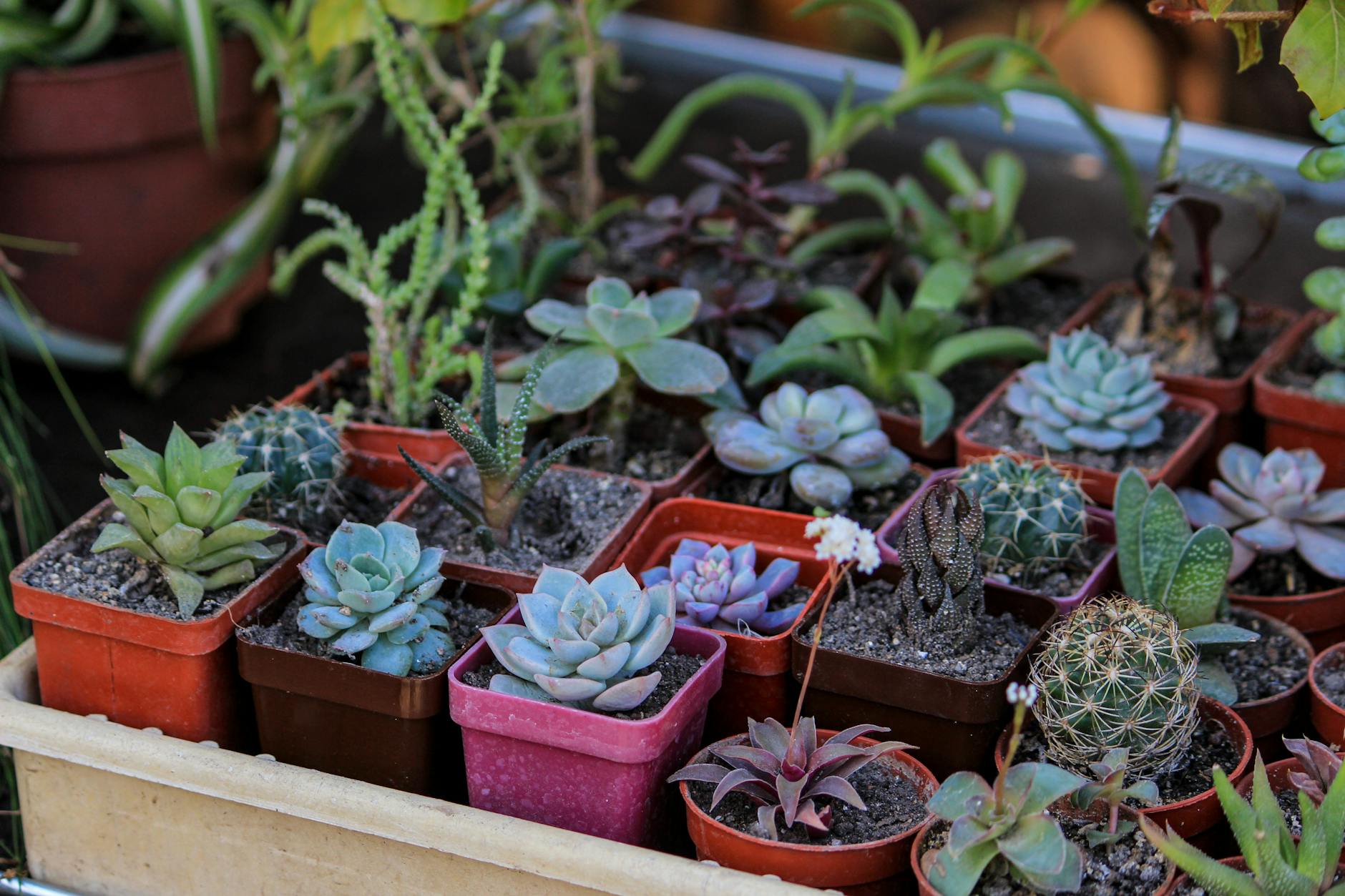
- Cacti and succulents: These need feeding far less frequently than other houseplants, and they do best with a low-nitrogen formula specifically designed for them. Overfeeding cacti causes soft, weak growth that looks nothing like a healthy plant.
- Orchids: Phalaenopsis orchids, the most common type sold in UK supermarkets and garden centres, benefit from a dedicated orchid fertiliser applied at a quarter of the recommended strength. “Feed weakly, weekly” is a phrase you’ll hear often in orchid-growing circles, and it’s good advice.
- Citrus plants: If you’re growing a lemon or orange tree indoors, use a citrus-specific fertiliser that includes chelated iron and the right balance of trace elements. Regular houseplant feed won’t deliver the same results.
- Flowering plants: For plants you’re growing primarily for their blooms — African violets, peace lilies, anthuriums — switch to a high-potassium feed (like a tomato fertiliser, which works well and is inexpensive) during the flowering season.
When to Feed: Following the Seasons
Timing matters as much as the product you use. Feeding a plant at the wrong time of year is at best wasteful and at worst actively harmful.
Spring and Summer: The Active Growing Season
In the UK, the growing season for most houseplants runs roughly from March through to September, coinciding with longer days and stronger light. This is when plants are actively producing new leaves, roots, and sometimes flowers — and when they have a genuine need for supplemental nutrients.
Start feeding in late March or early April, once you begin to see signs of new growth emerging. Apply a diluted liquid fertiliser every two to four weeks for most houseplants. Fast growers like pothos, tradescantia, and spider plants can handle feeding every fortnight during peak summer. Slower-growing plants like ZZ plants, snake plants, and haworthias should be fed no more than once a month.
Autumn and Winter: Time to Stop
From October onwards, most houseplants slow down significantly. The lower light levels in British winters mean photosynthesis is reduced, growth essentially pauses, and the plant’s demand for nutrients drops dramatically. Continuing to feed through winter means nutrients accumulate in the compost with nowhere to go, leading to salt build-up that can damage roots.
Stop feeding entirely by the end of September or early October, and don’t resume until you see new growth appearing in spring. The exception is if you’re using a heated greenhouse or grow lights to maintain active growth year-round — in which case you can continue feeding, but at a reduced rate.
How Much to Use: Getting the Dose Right
The most common mistake beginners make isn’t underfeeding — it’s overfeeding in the belief that more nutrients must mean healthier plants. It doesn’t. Excess fertiliser causes a condition called fertiliser burn, where high salt concentrations in the compost draw moisture out of the roots rather than allowing it to be absorbed. Symptoms include brown, crispy leaf tips, wilting despite adequate watering, and white crusty deposits on the soil surface or around the drainage holes.
Always follow the manufacturer’s instructions on dilution, and if you’re in any doubt, use half the recommended dose. Half-strength feed applied regularly is far safer and often just as effective as full-strength applied intermittently.
A practical tip: never apply liquid fertiliser to dry compost. Always water your plant first with plain water, then apply the diluted feed. Fertilising dry roots dramatically increases the risk of burning.
Flushing the Compost
Every few months, particularly at the end of the growing season, it’s worth flushing your pots with plain water to wash out any accumulated salts. Simply water thoroughly until water runs freely from the drainage holes, wait a few minutes, and repeat. This prevents build-up and keeps the root environment healthy.
Signs Your Plant Needs Feeding
Rather than rigidly sticking to a calendar, it helps to learn how to read your plants. Here are the signs that a plant is likely nutrient-deficient:
- Pale, yellowing leaves across the whole plant, especially older lower leaves
- Noticeably slow growth during the active season
- Smaller than usual new leaves
- Dull, lacklustre foliage on plants that should be glossy
- Poor flowering in plants that normally bloom reliably
- Yellowing between leaf veins, with veins staying green (likely magnesium deficiency)
Bear in mind that many of these symptoms overlap with other problems — overwatering, underwatering, and root-bound conditions can look similar. Before
you reach for the fertiliser, check the basics first: is the compost bone dry, waterlogged, or packed tight with roots? Correcting those issues may solve the problem without any extra feeding.
What Happens If You Feed Too Much?
More fertiliser is not better. Overfeeding can damage roots, stress the plant, and lead to a build-up of salts in the compost. Common signs include brown, crispy leaf tips, a white crust on the soil surface or around the pot, limp growth despite moist compost, and unusually soft, weak stems.
If you suspect overfeeding, stop fertilising straight away. Flush the pot thoroughly with clean water, allowing plenty to drain through the bottom, and avoid feeding again for several weeks. In severe cases, repotting into fresh compost may be the best option.
Simple Feeding Rules for Beginners
- Feed only during active growth, usually spring and summer.
- Always dilute according to the label — and when in doubt, use less rather than more.
- Apply fertiliser to already damp compost, not bone-dry soil.
- Reduce or stop feeding in autumn and winter for most plants.
- Skip feeding newly repotted plants for a few weeks, as fresh compost already contains nutrients.
- Watch the plant’s response and adjust gradually.
A Good Starting Routine
If you are completely new to feeding houseplants, keep it simple. Use a balanced liquid houseplant fertiliser at half strength every two to four weeks from March to September. For flowering houseplants, switch to a bloom-supporting feed once buds begin to form. For cacti and succulents, feed sparingly — perhaps once a month during their growing period and not at all when dormant.
Remember that feeding is only one part of plant care. Light, watering, temperature, humidity, and pot size all affect how well a houseplant grows. A well-fed plant in the wrong conditions will still struggle, while a plant in the right spot with careful watering may need very little extra help.
In the end, feeding houseplants is less about strict schedules and more about paying attention. Start with a gentle, balanced approach, feed only when the plant is actively growing, and resist the temptation to overdo it. With a little observation and consistency, you will soon get a feel for what each plant needs — and healthier leaves, stronger growth, and better flowering will follow.

https://shorturl.fm/RNuJP
https://shorturl.fm/7FKtn