10 Best Low-Maintenance Houseplants for UK Homes With Low Natural Light
Anyone who has lived in a north-facing flat in Manchester or a Victorian terrace in Edinburgh knows the struggle all too well. British homes, particularly older builds, can be genuinely gloomy for large parts of the year. Between October and March, natural light is scarce even on the south-facing side of a building, and for rooms that face north or east, a sunny day might still feel like permanent dusk indoors.
The good news is that plenty of houseplants not only survive in low-light conditions — they actually thrive in them. The key is knowing which plants suit dim interiors, how to care for them without fussing, and where to source them at a reasonable price. This guide covers ten of the best options for UK homes, with honest advice on what to expect from each one.
One important clarification before we get started: “low light” does not mean no light. No plant can survive in complete darkness. What it does mean is indirect light, shaded corners, windowsills that only receive a couple of hours of weak sun, or spots several metres back from a window. If you can comfortably read a book by natural light in the spot you have in mind, most of the plants on this list will do just fine there.
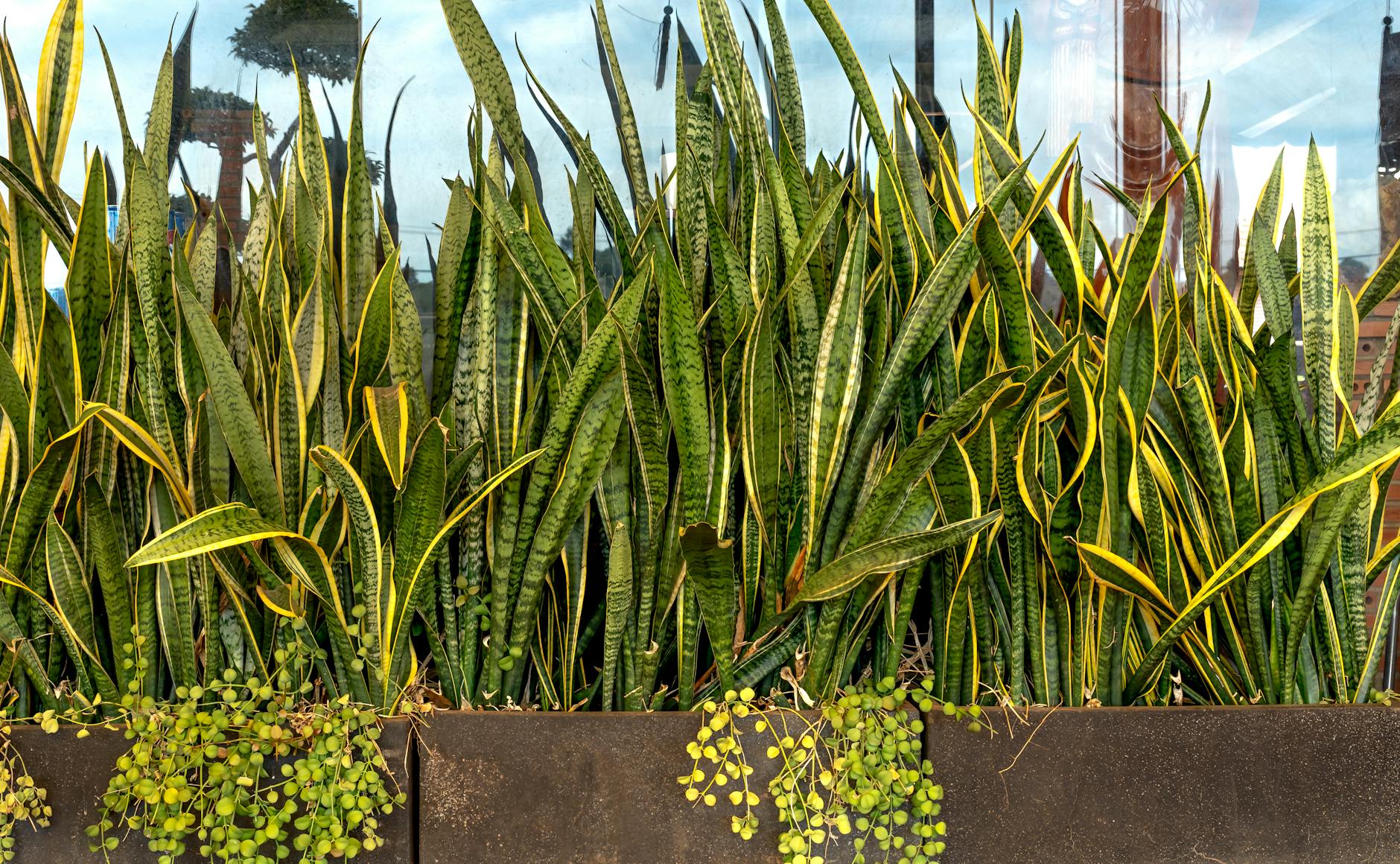
1. Snake Plant (Sansevieria trifasciata)
The snake plant is arguably the most forgiving houseplant you can own. Its stiff, upright leaves — dark green with pale yellow edges — look architectural and modern, making it a popular choice for contemporary UK interiors. It tolerates neglect to a remarkable degree, including irregular watering, dry air from central heating, and low light conditions that would kill most other plants.
Water it once every two to three weeks in summer, and once a month or even less in winter. Overwatering is the single most common mistake people make with snake plants. Let the compost dry out completely between waterings.
Price guide: Small plants (around 30cm) are widely available at B&Q, Ikea, and most garden centres for £5–£12. Larger specimens can cost £25–£50 from specialist retailers.
2. ZZ Plant (Zamioculcas zamiifolia)
If you want a plant that looks expensive and behaves like it requires nothing, the ZZ plant is your answer. Its glossy, deep green leaves grow in elegant arching stems, and it stores water in its thick underground rhizomes — which means it can go weeks without being watered and not bat an eyelid.
The ZZ plant handles the kind of light levels found in interior hallways and darker living room corners with ease. It grows slowly, which means it will not outgrow its pot quickly, and it rarely attracts pests. About the only thing that will kill it is sitting in waterlogged compost.
Price guide: Expect to pay £10–£20 for a mid-sized plant. Available at Marks & Spencer, Dobbies, and online from Patch Plants or Bloombox Club.
3. Pothos (Epipremnum aureum)
Pothos is a trailing plant that works brilliantly on high shelves or in hanging planters, allowing its heart-shaped leaves to cascade downward. It comes in several varieties — golden pothos with yellow variegation, marble queen with creamy white streaks, and neon pothos with almost fluorescent green leaves.
It adapts well to low light, though the variegated varieties may revert to a more solid green in very dim conditions (which is the plant prioritising chlorophyll production — perfectly normal). Pothos is also one of the easiest plants to propagate: simply cut a stem just below a node, place it in water, and roots will appear within a fortnight.
It is worth noting that pothos is toxic to cats and dogs, so place it out of reach if you have pets.
Price guide: Very affordable at £4–£10 from most supermarkets including Sainsbury’s and Tesco, as well as Ikea and garden centres nationwide.
4. Cast Iron Plant (Aspidistra elatior)
The name says it all. The cast iron plant was a Victorian parlour staple — a time when homes were heated by coal fires that created draughty, smoky conditions — and it survived brilliantly. It is one of the few houseplants that genuinely thrives in very low light, including spots that receive almost no direct sun whatsoever.
Its broad, dark green leaves grow slowly but steadily, and it asks for very little in return: water it once every one to two weeks and leave it alone. It tolerates temperature fluctuations, dry air, and irregular feeding. A truly unkillable plant for difficult spots like dark hallways, landings, or north-facing rooms.
Price guide: Slightly pricier due to its slow growth — expect to pay £15–£40 depending on size. Available from specialist plant shops and online retailers like Crocus and Hortology.
5. Peace Lily (Spathiphyllum)
The peace lily is one of the very few low-light plants that also produces flowers — beautiful white spathes that appear in spring and sometimes again in autumn. It is a popular choice for UK homes and offices because it communicates clearly: when it needs water, its leaves droop dramatically, and within a few hours of being watered it perks back up completely.
It prefers consistently moist compost, making it unusual among low-maintenance plants, but it is forgiving of occasional neglect. It also does well in bathrooms where humidity is higher, which suits it particularly well during the dry central heating season that runs from October through to April in most British homes.
Price guide: One of the most widely available houseplants in the UK — sold at Asda, Tesco, B&Q, and florists for £5–£20.
6. Chinese Evergreen (Aglaonema)
Chinese evergreens are striking plants that come in a wide range of leaf colours, from deep green to silver-grey, and even varieties with pink or red markings (though the more colourful cultivars prefer brighter conditions). The plainer green varieties are exceptionally tolerant of low light and are among the most reliable plants for dim interiors.
They prefer warmth and do not like temperatures below 15°C, which makes them a good fit for centrally heated UK homes but less suitable for conservatories or porches that get cold in winter. Water moderately, allow the top inch or so of compost to dry out between waterings, and feed monthly during the growing season from April to September.
Price guide: £10–£30 from garden centres, Dobbies, and online plant retailers. Rarer varieties with unusual colouring may cost more.
7. Heartleaf Philodendron (Philodendron hederaceum)
Similar in habit to pothos, the heartleaf philodendron is a trailing or climbing plant with velvety, heart-shaped leaves and a relaxed, slightly wild look. It grows quickly in reasonable conditions, making it satisfying for those who want to see results without waiting years.
It tolerates low light well and requires watering only when the top couple of centimetres of compost feel dry. Like pothos, it propagates easily in water and makes an excellent gift for plant-curious friends. It is also less fussy about humidity than many other tropical plants, which suits the relatively dry air in most British centrally heated homes.
Price guide: Generally £6–£15. Widely available from Ikea, supermarkets, and online plant shops.
8. Spider Plant (Chlorophytum comosum)
The spider plant is a British household classic, and for good reason. It produces long, arching green-and-white striped leaves and, once mature, sends out long runners tipped with small plantlets — the “spiders” — that can be potted up to create new plants. It is almost impossible to kill and handles low light, draughts, irregular watering, and being pot-bound with equal cheerfulness.
It is one of the best choices for beginners, children’s bedrooms, or anyone who genuinely cannot commit to a plant care routine. It also does well in hanging baskets, where its trailing plantlets look particularly attractive. Spider plants are non-toxic to pets, which is a genuine advantage in a crowded market of toxic-to-animals houseplants.
Price guide: Extremely affordable — often £3–£8 from garden centres, supermarkets, and even charity shops, where potted plants are sometimes sold as fundraisers.
9. Dracaena (Various species)
Dracaenas come in many forms, from the compact Dracaena marginata with its thin, red-edged leaves to the broader, more dramatic Dracaena fragrans (corn plant). All of them tolerate low light reasonably well and prefer to dry out between waterings, making them well-suited to owners who tend to forget.
One thing to be aware of with dracaenas in the UK is fluoride sensitivity — tap water in many parts of the country, particularly London and the South East, is relatively hard and can cause brown leaf tips over time. Using filtered water or leaving tap water to stand overnight before use can help with this. Dracaenas are toxic to cats and dogs, so keep that in mind if you share your home with animals.
Price guide: Small plants start from around £8–£15. Larger floor-standing specimens can cost £40–£80, though they make a strong visual statement in living rooms and hallways.
10. Maidenhair Fern (Adiantum)
The maidenhair fern is slightly more demanding than the others on this list, but it deserves a place here because it is one of the few ferns that genuinely suits low-light indoor conditions — and its delicate, fan-shaped leaflets on black wiry stems are unlike anything else you can grow indoors.
It needs consistent moisture and higher humidity than most houseplants, making it an excellent candidate for bathrooms and kitchens. Mist it regularly, or place the pot on a tray of damp pebbles to increase the humidity around it. Avoid placing it near radiators or draughts. If it dries out completely and drops its leaves, do not bin it — cut it back, water it well, and it will often bounce back within a few weeks.
Price guide: £8–£18 from garden centres and florists. Waitrose and M&S occasionally stock them, particularly in spring.
General Tips for Growing Houseplants in Low-Light UK Homes
Understand Your Light Levels
A north-facing room in Britain during winter might receive as little as two to three hours of weak, indirect light per day. Before buying a plant, spend a day observing where and when light enters the room. Placing a plant close to the window — even a north-facing one — makes a significant difference compared to positioning it several metres away. Every metre of distance from a window dramatically reduces light intensity.
Adjust Watering for British Winters
This is where many UK houseplant owners go wrong. Most houseplants dramatically reduce their growth during the winter months when light levels drop. They simply do not need as much water as they do in summer. Overwatering in winter, when plants are in a semi-dormant state, causes root rot — the number one killer of indoor plants
For more information on this topic, consult official UK driving authority resources and speak with a qualified driving instructor.