The Complete Beginner’s Guide to Houseplants in the UK: Where to Start and What to Buy
Houseplants have had a remarkable resurgence in the UK over the past decade, and it is not difficult to see why. Whether you live in a Victorian terrace in Manchester, a new-build flat in Bristol, or a converted cottage in rural Norfolk, there is a plant that will thrive in your space. The problem most beginners face is not a lack of enthusiasm — it is not knowing where to start, what to buy, or why their first three attempts ended up as yellowing compost bin donations.
This guide cuts through the noise and gives you practical, honest advice for growing houseplants successfully in British homes, with all the quirks of UK climate, light levels, and seasonal rhythms taken into account.
Understanding the UK Home Environment
Before you buy a single plant, it helps to understand what you are actually working with. British homes are not like the sun-drenched interiors you see on American gardening accounts. Our light levels are genuinely lower, our winters are long and grey, and our centrally heated homes create warm, dry air that many tropical plants find hostile.
The average UK home sits between 18°C and 22°C during winter when the heating is on, but can drop significantly overnight if radiators are on timers. Windowsills — the obvious place for plants — are often cold spots, sitting above radiators that blast dry heat upwards and beside single-glazed or older double-glazed windows that get genuinely cold at night. This combination of warmth during the day and cold at night, plus low humidity, is responsible for more houseplant deaths than any watering mistake.
South-facing windows in the UK get the most direct light. East and west-facing windows offer gentler, indirect light for a portion of the day. North-facing windows are the trickiest — plants placed there need to be genuinely shade tolerant, not just “low light” in the loose sense that garden centres sometimes use.
Starting Simple: The Best Beginner Plants for UK Homes
There is no shame in starting with forgiving plants. Even experienced indoor gardeners keep easy-care varieties because they look good and require minimal intervention. The following plants are widely available in UK garden centres, supermarkets, and online retailers, and they cope well with the inconsistencies of British home life.
Pothos (Epipremnum aureum)
If you kill a pothos, you may genuinely need to reconsider your relationship with plants. These trailing vines tolerate low light, irregular watering, and general neglect with remarkable good humour. You can find them in most garden centres and supermarkets like Waitrose, Sainsbury’s, and IKEA for between £5 and £15 depending on size. They look excellent trailing from a shelf or climbing up a moss pole, and they grow fast enough to be satisfying without becoming unmanageable.
Snake Plant (Sansevieria trifasciata)
Also known as mother-in-law’s tongue, the snake plant is the quintessential beginner choice. It tolerates low light, infrequent watering, and will not sulk if you forget about it for three weeks. It is one of the few plants that continues photosynthesising at night, which has earned it a reputation as a bedroom plant. Prices range from around £8 for a small pot to £30 or more for a large, established specimen. Widely available at B&Q, Dobbies, and most independent garden centres.
Spider Plant (Chlorophytum comosum)
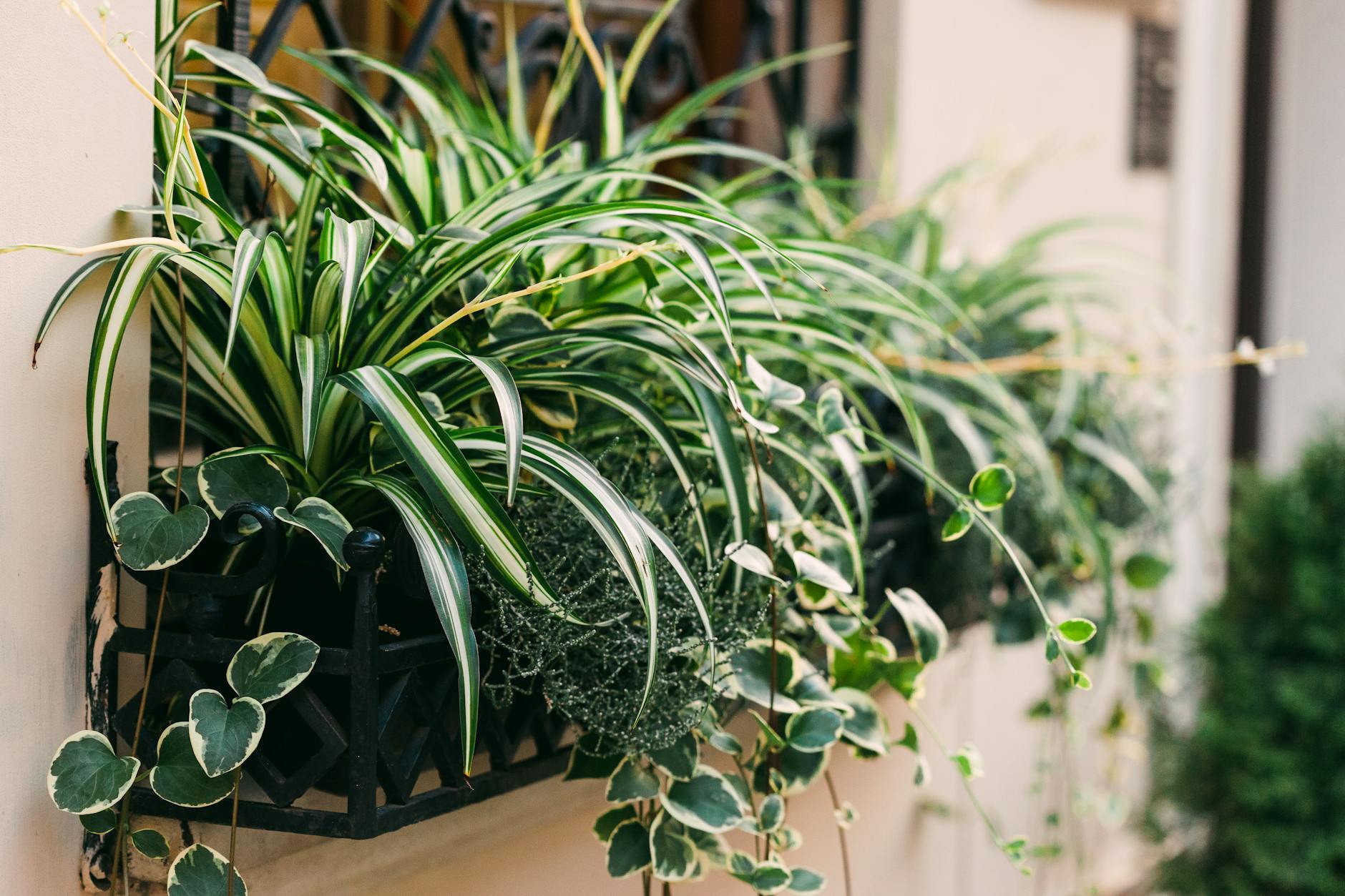
A staple of British homes since the 1970s, and rightly so. Spider plants are almost indestructible, produce charming little offshoots you can propagate and share with friends, and cope admirably with the low humidity of centrally heated rooms. You can often pick one up for as little as £3 to £5. They prefer bright, indirect light but will manage in shadier spots.
Peace Lily (Spathiphyllum)
One of the few flowering plants that actually thrives in lower light conditions. Peace lilies are honest with you — when they need water, the leaves droop dramatically, giving you a clear visual cue rather than leaving you guessing. They also enjoy slightly higher humidity, so bathrooms with decent natural light are ideal. Available everywhere from Tesco to specialist online nurseries for £6 to £20.
ZZ Plant (Zamioculcas zamiifolia)
The ZZ plant has thick, waxy leaves and rhizomatous roots that store water, making it extremely drought tolerant. It is slow growing but practically indestructible, handles low light without complaint, and has a sleek, architectural look that suits modern interiors well. Expect to pay £10 to £25 depending on the size.
Where to Buy Houseplants in the UK
Where you source your plants matters more than most beginners realise. The cheapest option is not always the worst, but quality varies considerably.
Supermarkets and DIY Stores
Aldi, Lidl, and Sainsbury’s regularly stock houseplants at very competitive prices — often £3 to £8 for small pots. These can be excellent value, but the plants have usually been in transit and on shelves under artificial light for some time. Check them carefully for pests, yellowing leaves, or soggy compost before buying. B&Q and Homebase stock a reasonable range year-round, particularly for larger plants, though staff expertise is variable.
Garden Centres
Dobbies, Wyevale (now mostly rebranded), RHS garden centres, and independent local nurseries are generally your best bet for healthy, well-maintained stock. Staff tend to be more knowledgeable, plants are usually better cared for, and you can ask questions before committing. Prices are higher — a peace lily might cost £12 to £15 versus £6 in a supermarket — but the survival rate is often better.
Online Retailers
The UK has a brilliant selection of specialist online plant shops. Patch Plants, Bloombox Club, and Lazy Flora offer delivery direct to your door with well-packaged, healthy plants and good customer support if anything arrives damaged. You often pay a premium — £15 to £40 for plants you might find cheaper elsewhere — but the quality and presentation are usually excellent. Etsy is also worth checking for rare varieties from small UK-based growers.
Getting the Basics Right: Light, Water, and Compost
Most houseplant failures come down to three things: incorrect light placement, overwatering, and unsuitable compost. Get these right and you will succeed with almost anything.
Light Placement
Match your plant to your light, not the other way around. It is tempting to buy a beautiful plant and find it a spot, but you will have far more success choosing a plant that suits the spot you have available. A cactus in a north-facing window will slowly decline no matter how well you care for it. A ZZ plant in a south-facing window in direct summer sun will scorch. Read the light requirements before you buy, and be honest about what your home offers.
During UK winters, consider moving sun-loving plants closer to your brightest windows. The low angle of winter sun means even a south-facing window delivers far less light than in summer. Grow lights — available from around £15 on Amazon — can supplement natural light for plants that struggle between October and March.
Watering
Overwatering kills far more houseplants than underwatering. The most reliable method is to check the compost with your finger before watering — push it in an inch or so, and if it still feels damp, wait. Most houseplants want the top layer of soil to dry out between waterings. Succulents and cacti want the entire pot to dry out completely.
UK tap water is fine for most plants, though it is hard in many parts of England, which can cause white mineral deposits on pots and leaves over time. If your plants seem sensitive — some ferns and calatheas are notoriously fussy — try leaving tap water to sit overnight before using it, or collect rainwater. A simple water butt on a downpipe costs around £30 to £50 and is worth the investment if you build up a collection.
Compost
The compost most plants arrive in from shops is often a very basic, peat-based mix that degrades quickly and compacts over time, leading to poor drainage. Repotting into a better mix makes a significant difference. A good all-purpose houseplant compost — Westland, Levington, and John Innes No.2 are all widely available and reliable UK brands — combined with perlite (a lightweight volcanic mineral that improves drainage and aeration) gives most plants an excellent growing medium. A ratio of roughly 70% compost to 30% perlite works well for most tropicals.
For succulents and cacti, use a specialist cactus compost or increase the perlite ratio to 50/50. For orchids, use dedicated bark-based orchid compost — they do not grow in regular soil in nature, and standard compost will rot their roots.
Seasonal Considerations for UK Growers
The UK’s seasons affect houseplants more than many people expect. Most tropical houseplants originate from regions with relatively stable year-round conditions, and they notice our dramatic light and temperature changes.
Spring and Summer
This is the active growing season. Plants need more water, benefit from regular feeding (a balanced liquid fertiliser like Baby Bio or Miracle-Gro every two to four weeks is sufficient), and can cope with repotting into larger containers. This is also the time to take cuttings and propagate, as the warmth and longer days encourage rooting. Open windows encourage fresh air circulation, which helps prevent fungal issues.
Autumn and Winter
Most houseplants slow down significantly. Reduce watering frequency, stop feeding entirely or cut back to once a month, and avoid repotting. The combination of low light, cool temperatures, and reduced daylight triggers a dormancy-like state in many plants. Do not panic if growth slows or stops — this is normal. The danger period is when owners continue to water at summer rates through winter, leaving plants sitting in wet compost with insufficient light to dry it out, which leads to root rot.
Watch for draughts around windows and doors in winter. Cold draughts below about 10°C will damage tropical plants quickly, causing blackened leaves and stem collapse in severe cases.
Common Problems and How to Fix Them
Yellow Leaves
The most frequent
cause of yellow leaves is overwatering, especially in winter. If the compost feels wet for days on end and the pot is heavy, allow it to dry more thoroughly before watering again. Remove any soft, fully yellow leaves, but do not strip the plant bare. A few older leaves dying off naturally is perfectly normal.
Brown Crispy Tips or Edges
This usually points to dry air, inconsistent watering, or a build-up of salts from fertiliser. Try watering more evenly, keeping plants away from radiators, and occasionally flushing the compost through with fresh water. For humidity-loving plants such as calatheas and ferns, grouping plants together can help create a slightly more humid microclimate.
Drooping Leaves
Drooping can mean either too dry or too wet, which is why checking the compost matters more than guessing. If the soil is bone dry, water thoroughly and the plant may perk up within hours. If the compost is soggy, stop watering and consider repotting into fresh mix if root rot has set in.
Pests
UK houseplants commonly attract spider mites, fungus gnats, mealybugs and scale insects. Check leaves regularly, especially undersides and where stems join. Most early infestations can be managed by isolating the plant, wiping leaves, showering it down, and using insecticidal soap. Healthy plants in the right light are generally more resistant than stressed ones.
A Simple Beginner Shopping List
If you are starting from scratch, keep it simple. A sensible first collection might include a snake plant, a pothos, a ZZ plant, and one peace lily if you can give it brighter light. Add a watering can, a bottle of houseplant feed, a bag of peat-free houseplant compost, and a pot with drainage holes for each plant. That is enough to begin confidently without turning your home into a jungle overnight.
Final Thoughts
The best way to succeed with houseplants in the UK is to start small, choose forgiving varieties, and pay attention to light and watering rather than chasing perfection. Most problems come from doing too much, not too little. Learn the rhythm of your home through the seasons, check the compost before watering, and let your confidence grow along with your plants. With a few well-chosen beginners’ plants and a little patience, almost anyone can build a thriving indoor collection.