Central Heating and Houseplants: How to Protect Your Plants During a UK Winter
The moment you switch your central heating on in October, something quietly shifts in your home environment. The air dries out, temperatures swing wildly between day and night, and the light drops to a fraction of what your plants enjoyed through spring and summer. For many houseplant owners across the UK, this seasonal shift marks the beginning of a difficult few months — one that ends with yellowing leaves, root rot, or the slow, baffling decline of plants that were thriving just weeks before.
The good news is that most winter houseplant casualties are entirely preventable. Understanding what central heating actually does to your indoor environment — and making a few targeted adjustments — can carry even the most delicate specimens through to March without drama. This guide covers the practical steps that work in real British homes, where draughty Victorian terraces and airtight modern builds present very different challenges.
What Central Heating Actually Does to Your Plants
British gas central heating is efficient at warming a room, but it achieves this by stripping moisture from the air. A typical living room in winter might drop to relative humidity levels of 20–30%, while most popular houseplants — fiddle leaf figs, monsteras, calatheas, peace lilies — originate from tropical or subtropical environments where humidity sits comfortably between 50–70%.
The problem compounds when you consider radiators. Most UK homes have radiators positioned beneath windows, which made perfect sense when windows were the main source of cold draughts. But that placement creates a column of hot, rising air directly in front of the spot where you might logically place a plant to catch the limited winter light. A pot sitting on a windowsill above a radiator is essentially being cooked from below while potentially getting cold draughts from the glass above — two stresses working in opposite directions simultaneously.
Beyond humidity, central heating systems create temperature inconsistency. A hallway might sit at 14°C while the living room reaches 22°C. Rooms that aren’t heated — spare bedrooms, conservatories — can drop close to freezing on a January night. Plants don’t cope well with these fluctuations, particularly when they happen rapidly and repeatedly over a period of months.
The Most Vulnerable Plants and Why
Not all houseplants suffer equally, and knowing which of yours are most at risk lets you prioritise your efforts.
Humidity-sensitive tropical plants
Calatheas, marantas, orchids, ferns, and nerve plants (Fittonia) are the most commonly struggled-with during UK winters. These plants evolved in environments where moisture is abundant, and they show their unhappiness quickly — leaf edges brown and crisp, leaves curl inward, and new growth emerges small and distorted. If you have a calathea that looked magnificent in September and looks tatty by December, central heating humidity is almost certainly the culprit rather than watering or light.
Plants prone to cold damage
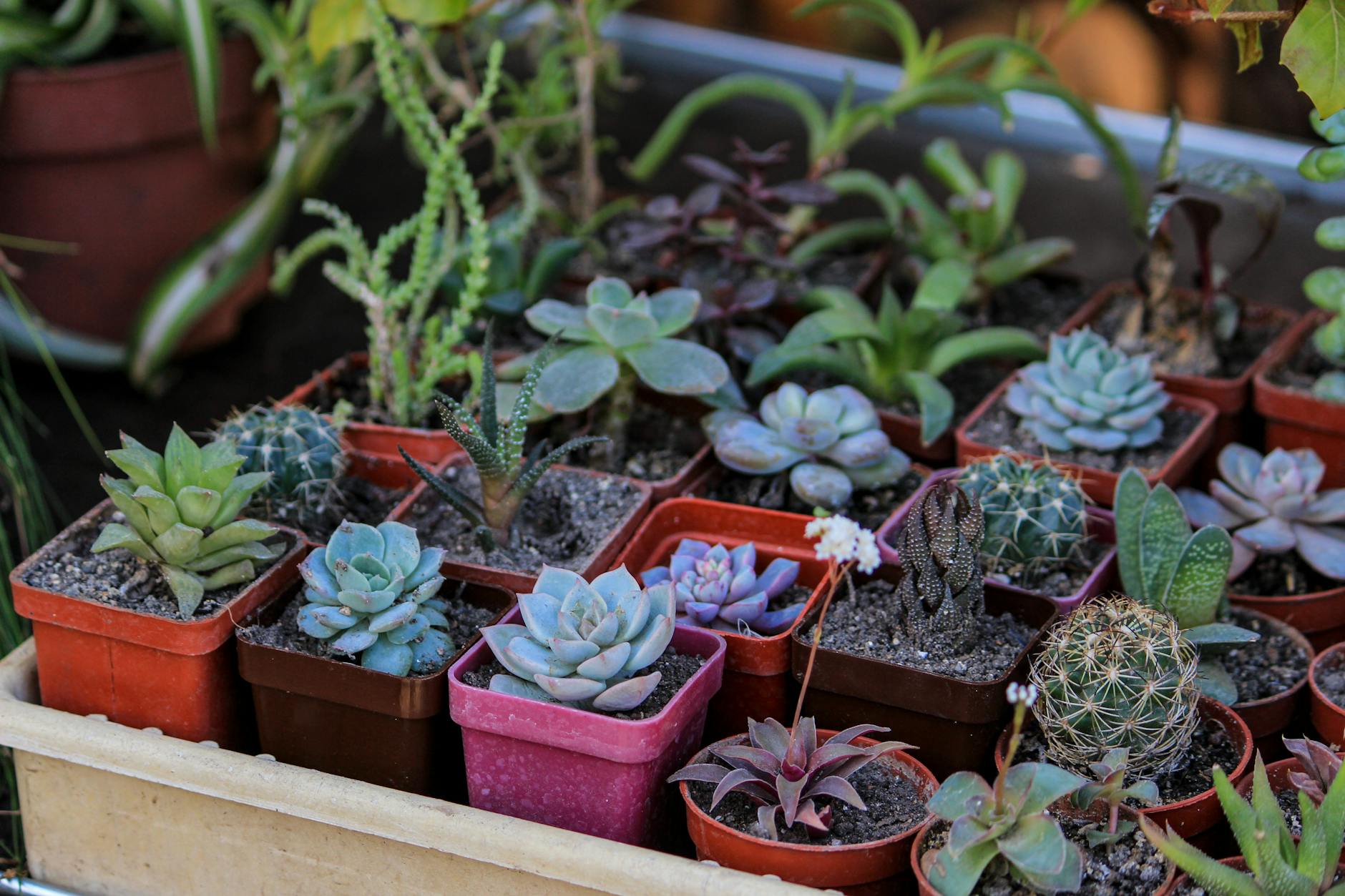
Succulents and cacti are often assumed to be indestructible, and in terms of drought they largely are. But many species are not cold-tolerant, and placing them on a draughty north-facing windowsill in January in Edinburgh or Newcastle can cause genuine damage. Similarly, citrus plants, banana plants, and any tender exotics brought indoors from a summer outside need to be kept well away from cold glass at night.
Plants that react to overwatering in winter
This is where the majority of winter losses actually occur. Reduced light means plants photosynthesise less, take up less water, and their soil stays wet far longer. Continuing to water on a summer schedule — say, once a week for a peace lily — can lead to root rot within a few weeks of the heating season starting. Snake plants, ZZ plants, pothos, and many succulents are particularly susceptible to this in winter.
Practical Steps to Protect Your Plants
Move plants away from radiators
This sounds obvious, but the specifics matter. A plant doesn’t need to be touching a radiator to be affected — hot air rising from a radiator can desiccate soil and foliage within a 30–40cm radius. Relocate plants at least 50cm from any heat source, and ideally further if you have the space. If your best light source is a window directly above a radiator, place the plant on a nearby shelf or table at the same height but offset to the side, where it can still benefit from reflected light without the direct heat blast.
Increase humidity around sensitive plants
There are several practical approaches, each with different costs and effort levels.
- Grouping plants together: Plants release moisture through transpiration, so clustering them creates a slightly more humid microclimate around the group. This is free, effective, and has the added benefit of making displays look more intentional and lush.
- Pebble trays: Place a shallow tray filled with gravel or decorative pebbles, add water to just below the surface of the stones, and sit the plant pot on top. As the water evaporates, it raises humidity immediately around the foliage. A decent-sized tray from a garden centre costs £3–£8. Refill every few days.
- Electric humidifiers: The most effective solution for genuinely humidity-loving plants. A basic ultrasonic humidifier suitable for a small to medium room costs between £20–£45 from retailers like Amazon, Argos, or Lakeland. Run it for a few hours each day near your most sensitive plants. This approach is particularly worthwhile if you keep orchids or calatheas and have struggled with them repeatedly.
- Misting: The advice is mixed here, and honestly, misting is less effective than it’s often presented. A fine mist raises humidity only briefly and can contribute to fungal issues on plants with dense foliage or velvety leaves (such as African violets). If you do mist, do so in the morning and avoid getting water on leaves that will sit in cold, stagnant air overnight.
Adjust your watering schedule
The single most effective thing you can do for your plants in winter is to water less. Reduce watering frequency by roughly half compared to summer for most houseplants, and always check the soil before watering rather than following a set schedule. Push your finger 2–3cm into the compost — if it feels at all moist, leave it another few days. For succulents, cacti, and dormant bulbs, you can reduce watering even more dramatically, with some species needing virtually nothing from November through to February.
Cold water from the tap can shock plant roots, particularly on species that are already stressed. Fill your watering can and leave it to reach room temperature overnight before using it — this takes no additional effort and makes a noticeable difference for tropical species.
Make the most of available light
In the UK, winter day length and light intensity drop substantially. London receives around 8 hours of daylight at the winter solstice; Edinburgh gets closer to 7. Cloud cover — a British speciality — reduces usable light further. Plants that managed happily in a north-facing room through summer may need to be moved closer to a south or west-facing window during winter.
Clean your windows. It sounds minor, but a layer of grime on a British winter window can block a meaningful percentage of already-limited light. While you’re at it, clean the leaves of large-leaved plants like monsteras and rubber plants — dusty leaves photosynthesise less efficiently.
If you’re finding plants consistently struggle through winter despite your best efforts, grow lights are worth considering. Full-spectrum LED grow lights have become significantly more affordable, with usable options starting from around £15–£25 on Amazon. A clip-on or standing grow light used for 12–14 hours a day can make a substantial difference to plant health during December and January, particularly for seedlings, propagations, or light-hungry plants in darker rooms.
Watch out for cold draughts and window proximity
While radiator heat is one problem, cold draughts are another. Older UK homes — and there are a great many of them — have windows that don’t seal particularly well. The glass itself can get cold enough to damage any foliage touching it. On a freezing January night, the temperature immediately next to a single-glazed or poorly insulated window can be several degrees colder than the centre of the room. Move plants a few centimetres back from the glass, and if a room gets very cold overnight, draw the curtains between the plant and the window to buffer temperature drops.
Be similarly cautious about spots near exterior doors. A hallway where the front door opens and closes repeatedly throughout the day exposes any plants there to repeated cold blasts — not ideal for anything other than the most resilient species.
Feeding and Fertilising in Winter
Most houseplants are not actively growing during the winter months and do not need feeding. Applying fertiliser to a plant that isn’t growing doesn’t encourage growth — it simply builds up salts in the compost, which can damage roots over time. Stop feeding in October for most plants and resume in March or April when you begin to see new growth emerging, which signals that the plant has recognised the increasing light and is ready to get going again.
The exception is winter-flowering plants — cyclamen, Christmas cactus (Schlumbergera), and poinsettias — which may benefit from occasional feeding while they’re actively blooming. A diluted, balanced liquid feed at half the recommended strength once a fortnight is sufficient.
Dealing with Common Winter Problems
Brown leaf edges and tips
Almost always a humidity issue. This is the signature symptom of dry central-heated air, and no amount of watering will fix it once the damage is done. Trim affected edges with clean scissors, increase humidity around the plant, and move it away from direct radiator air flow. New growth should emerge undamaged once conditions improve.
Yellow leaves
Yellow leaves in winter are often a sign of overwatering rather than underwatering. Check the roots if you can — remove the plant from its pot and look for mushy, dark roots, which indicate rot. If root rot is present, remove the damaged roots with clean scissors, let the rootball dry slightly, and repot into fresh, dry compost.
Reduce watering frequency and ensure the pot has adequate drainage. If the roots are healthy and white, the yellowing may be due to natural leaf shedding or insufficient light — consider moving the plant closer to a window.
Leggy growth and leaf drop
Plants stretching towards windows or dropping leaves are crying out for more light. Winter’s shorter days mean even bright rooms receive significantly less natural light than in summer. Move affected plants as close to windows as possible, ideally south-facing ones. Rotate pots weekly so all sides receive equal light exposure. For particularly light-hungry species like fiddle leaf figs or rubber plants, consider investing in a grow light to supplement natural daylight during the darkest months.
Pest infestations
Central heating creates the warm, dry conditions that spider mites, scale insects, and mealybugs adore. Check plants regularly, especially leaf undersides and stem joints. Isolate any infested plants immediately to prevent spread. Wipe leaves with a damp cloth to remove pests, then treat with insecticidal soap or neem oil. Increasing humidity through misting or pebble trays makes the environment less hospitable to these pests whilst benefiting your plants.
Final thoughts
Central heating doesn’t have to spell disaster for your houseplant collection. The key is understanding that winter care requires a completely different approach to summer maintenance. Water less, increase humidity, provide maximum light, and keep plants away from direct heat sources. Monitor your plants closely during the first few weeks of the heating season — they’ll tell you what they need through their leaves and growth patterns. With these adjustments, your indoor jungle will not only survive the British winter but emerge ready to thrive when spring arrives. Remember, a little neglect is often better than too much attention when temperatures drop and growth slows.