Snake Plant vs. ZZ Plant: The Ultimate Low-Effort Houseplant Showdown
If you’ve ever killed a cactus, forgotten a succulent existed for three months only to find it thriving, or simply want greenery in your home without the faff of a complicated care routine, then two plants keep coming up in every conversation: the snake plant and the ZZ plant. Both have earned near-legendary status among busy Brits, student flat-dwellers, and anyone whose south-facing windowsill gets approximately forty minutes of decent sun between October and March.
But which one is actually better for your home? Which survives a two-week holiday without a plant sitter? Which handles the gloomy northern English winter without sulking? This guide breaks down everything you need to know, from cost and care to aesthetics and air quality, so you can make an informed decision — or, honestly, just buy both.
Meet the Contenders
The Snake Plant (Dracaena trifasciata, formerly Sansevieria)
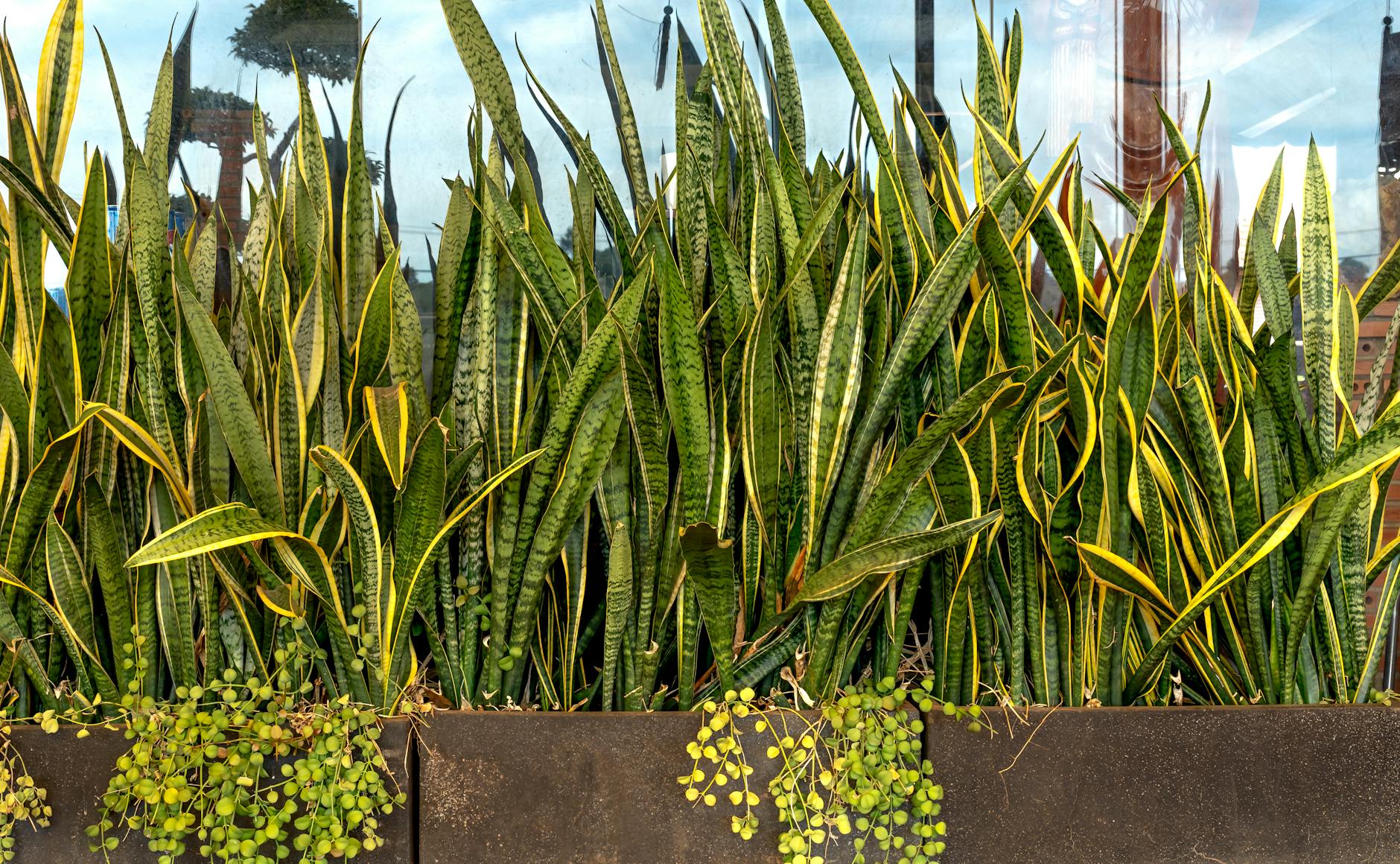
The snake plant — also called mother-in-law’s tongue, a name that never quite loses its edge — is one of the most recognisable houseplants on the planet. Its tall, upright, sword-like leaves are typically dark green with horizontal bands of lighter green or silvery-grey, often edged in yellow or cream. It has a slightly architectural quality that works beautifully in modern interiors, but it’s forgiving enough to sit in a corner of a Victorian terrace without looking out of place.
Originally from West Africa, the snake plant was reclassified from the genus Sansevieria to Dracaena in 2017, though most garden centres and online retailers in the UK still sell it under its old name or the common names above. You’ll find it at Dobbies, B&Q, IKEA, and almost every independent florist across the country. Prices typically range from around £5 for a small pot at IKEA up to £25–£40 for a large, established specimen from a specialist nursery.
The ZZ Plant (Zamioculcas zamiifolia)
The ZZ plant is the quieter, glossier cousin. Its stems arch elegantly outward, lined with pairs of oval, dark-green leaves that have a waxy, almost polished appearance — as if someone has buffed each one individually. It grows more slowly than the snake plant and tends to stay more compact, making it ideal for shelves, desks, and smaller rooms where you want impact without bulk.
Native to eastern Africa — particularly Kenya and Tanzania — the ZZ plant stores water in large underground rhizomes, which is precisely why it handles neglect so well. It’s become increasingly popular in the UK over the past decade, and you’ll now find it readily at Marks & Spencer’s plant sections, Waitrose Garden, Patch Plants (a popular UK delivery service), and most good garden centres. Expect to pay £8–£15 for a standard pot, or up to £30–£35 for a mature plant with multiple stems.
Light Requirements: Who Wins in a British Winter?
This is arguably the most important category for UK plant owners, because the honest truth is that British light — particularly from November through February — is abysmal. Even homes with south-facing windows in London, let alone those in Manchester, Edinburgh, or Aberdeen, are dealing with genuinely low light levels for months at a time.
Snake Plant
The snake plant tolerates low light remarkably well and can survive in north-facing rooms, hallways, and offices with only artificial lighting. That said, “tolerates” is the key word. In very low light, growth slows dramatically and the colours can fade slightly. It does best with bright, indirect light — a spot a metre or two back from an east- or west-facing window is ideal. It can handle some direct sun if acclimatised gradually, but intense summer afternoon sun through a south-facing window can scorch the leaves.
ZZ Plant
The ZZ plant is, if anything, even more tolerant of low light than the snake plant. Its waxy leaves are efficient at capturing whatever light is available, and it genuinely thrives in conditions that would send most houseplants into a slow decline. A corner of a north-facing sitting room, a bathroom with a frosted window, a home office with only a skylight — the ZZ plant handles all of these without complaint. It grows very slowly in low light, but it won’t deteriorate.
Winner: ZZ Plant — marginally, for its exceptional adaptability to the kind of light levels that are simply unavoidable in much of the UK during winter.
Watering and Drought Tolerance
Both plants are extraordinarily drought-tolerant, which is one of the main reasons they’re recommended so often for beginners and busy households. However, there are important differences in how and when to water them.
Snake Plant
The snake plant stores water in its thick, fleshy leaves and roots. In summer, watering every two to three weeks is typically sufficient. In winter, you can stretch this to once a month or even less — during the coldest, darkest months, the plant’s metabolism slows considerably, and overwatering is far more likely to cause problems than underwatering. The single most common way to kill a snake plant in the UK is root rot caused by a cold, soggy compost over winter.
Always water thoroughly, then allow the compost to dry out almost completely before watering again. Lift the pot — when it feels light, it’s ready for water. When in doubt, wait another week.
ZZ Plant
The ZZ plant’s underground rhizomes act like water storage tanks, making it arguably the more drought-tolerant of the two. It genuinely tolerates being forgotten about for a month or more in warm conditions. In summer, watering every three to four weeks is usually adequate. In winter, once every six to eight weeks — or even less — is perfectly fine. Like the snake plant, it is far more vulnerable to overwatering than to drought.
One practical note: because the ZZ plant grows from rhizomes rather than a traditional root system, repotting can be slightly trickier. When you do repot — typically every two to three years — choose a pot only slightly larger than the previous one, and use a well-draining compost mixed with a little perlite or horticultural grit, both of which are widely available at UK garden centres for around £3–£6 a bag.
Winner: ZZ Plant — the rhizome storage system gives it the edge for long stretches of neglect, including that fortnight in Tenerife.
Temperature and Humidity
UK homes present a specific set of challenges: central heating that dries out the air considerably in winter, draughts from older sash windows, and the occasional cold snap that drops temperatures in poorly insulated rooms.
Snake Plant
The snake plant is comfortable in temperatures between 10°C and 29°C, making it well-suited to the typical range found in British homes. It dislikes cold draughts and should be kept away from doors that open to the outside during winter. It’s not frost-hardy and should never be placed outdoors without careful monitoring, even in summer. It handles the dry air produced by central heating better than many houseplants, though an occasional misting or proximity to other plants helps keep things comfortable.
ZZ Plant
The ZZ plant prefers temperatures between 15°C and 26°C, which means it’s slightly less cold-tolerant than the snake plant at the lower end. Rooms that drop below 10°C in winter — unheated spare bedrooms, garages, or conservatories — are not suitable for a ZZ plant. However, in a standard centrally heated British home, it will be perfectly comfortable. It also manages dry indoor air well, though its leaves benefit from an occasional wipe-down with a damp cloth to keep them glossy and photosynthesising efficiently.
Winner: Snake Plant — slightly better suited to the cooler end of the UK temperature range, particularly in homes where heating is used sparingly.
Toxicity: Important for Pet and Child Owners
This is a category that often gets overlooked but matters enormously for many UK households. According to the RSPCA and various veterinary sources, both plants carry some level of toxicity risk.
Snake Plant
Snake plants contain saponins, which are mildly toxic to cats, dogs, and humans if ingested. Symptoms in pets typically include nausea, vomiting, and diarrhoea. The plant is not considered highly dangerous, but it should be kept out of reach of pets that are prone to nibbling. This is worth factoring in if you share your home with a curious cat.
ZZ Plant
The ZZ plant contains calcium oxalate crystals throughout its tissues — in its leaves, stems, and rhizomes. These crystals cause irritation to the mouth, throat, and digestive tract if chewed or swallowed, and can cause skin irritation in sensitive individuals when handling the plant. It is toxic to both cats and dogs and should be treated with caution in homes with small children. Always wash your hands after handling a ZZ plant, and consider its placement carefully if you have inquisitive pets.
Winner: Snake Plant — both are toxic, but the ZZ plant’s calcium oxalate content makes it the more significant concern in pet- and child-friendly households.
Aesthetics and Interior Styling
Plant choice is as much about how something looks as how easy it is to care for, and both plants offer distinct visual personalities.
Snake Plant
The snake plant’s vertical, sword-like form makes it a natural choice for modern, minimalist, and Scandi-influenced interiors — exactly the sort of aesthetic that’s been popular in UK homes for the past decade. Taller varieties like Dracaena trifasciata ‘Laurentii’ can reach 70–90cm indoors and make excellent statement plants in a corner or beside a sofa. Shorter varieties like ‘Hahnii’ (the bird’s nest snake plant) spread rather than grow upward and suit shelves and window ledges beautifully.
The range of cultivars available in the UK is impressive: variegated yellow-edged varieties, silver-leafed forms, and compact cylindrical-leaved types like Dracaena cylindrica are all reasonably easy to find at good garden centres or through online retailers like Patch Plants, The Little Botanical, or Bloombox Club.
ZZ Plant
The ZZ plant’s arching stems and glossy, oval leaves give it a lush, slightly tropical appearance that reads as effortlessly stylish in virtually any interior. It’s particularly striking in contemporary spaces where its deep green leaves contrast well against light walls or pale wood furniture. The Raven ZZ (Zamioculcas zamiifolia ‘Raven’) — which produces new growth in bright lime green that gradually deepens to near-black —
has become especially popular for adding drama without looking fussy. Standard green ZZ plants are more widely available and usually a little cheaper, but both forms are excellent choices if you want a plant that looks polished with very little intervention.
Like snake plants, ZZ plants are commonly stocked by supermarkets, DIY stores, independent garden centres, and specialist online houseplant shops. They are often sold in simple nursery pots, making them easy to slip into a decorative container that suits your room. If you prefer a more sculptural look, go for a fuller, mature specimen with multiple stems rather than a young plant with just a few shoots.
So, Which One Is Better?
If your main priority is surviving neglect, both are excellent, but the snake plant just about wins for its tolerance of inconsistent care, dry indoor air, and a wider range of light conditions. It is also the better option if you like a more upright, architectural shape that fits neatly into corners, shelves, or narrow spaces.
If, however, you want something that feels a little more lush and expensive-looking while still being almost absurdly easy to keep alive, the ZZ plant is hard to beat. Its waxy leaves stay attractive for long periods, and it tends to look tidier with less pruning or maintenance. It is particularly good for offices, bedrooms, and darker rooms where many other houseplants start to struggle.
There are a couple of caveats with both plants. Neither appreciates overwatering, and both are toxic if chewed by pets or children, so placement matters. The snake plant may also grow more slowly in very dim spots, while the ZZ plant can become a little leggy if kept too far from any natural light at all.
Ultimately, this isn’t really a case of one plant being good and the other bad — it’s about matching the plant to your space and your habits. Choose the snake plant if you want a tough, upright classic with loads of variety and near-bulletproof resilience. Choose the ZZ plant if you want glossy, elegant foliage and a forgiving plant that still looks refined when you forget about it for weeks. For the truly commitment-phobic plant owner, the honest answer may be simplest of all: get one of each.



https://shorturl.fm/lexpy
https://shorturl.fm/2HNsE